South African architect – about new technological opportunities and the modern generation of urban planners.
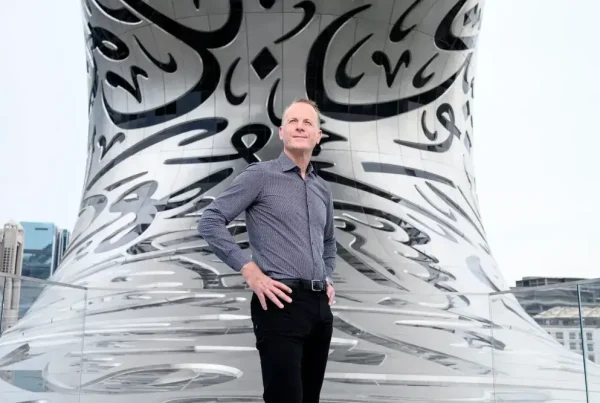
Architect Sean Killa, founder of the Killa Design bureau, promotes a human-centered approach in the urban environment. Its sustainable and innovative projects (including the Museum of the Future and the world’s first skyscraper with wind turbines) fit seamlessly into the natural and economic context. He is one of the authors of the modern look of Dubai and the founder of the architectural studio Killa Design.
In an interview with Vedomosti. To the city” Sean Killa told why there are no universal approaches in green construction and what projects could be in demand in Russia.
What inspired you to do architecture and how do you evaluate your professional path?
I’ve always been attracted to both mathematics and art. My stepfather, an architect, the owner of his own practice in the design of residential facilities, introduced me to this field early. At the age of 12-13, I was already spending the weekend in his office, gradually immersing myself in the process: drawing plans, facades, sections.
Over time, he began to make layouts for his residential and hotel projects. There was something particularly exciting in turning an idea into physical form, and the fact that they also paid for it only strengthened interest. By the time I was in high school, I knew for sure: architecture is mine.
In 1998, I moved from South Africa to Dubai and joined Atkins (an international engineering and design company, one of the world leaders in architecture, infrastructure and urban planning. – Note. “Vedomosti. Cities”). For 16 years, he made his way to the regional and then global director of architecture, headed the studio and participated in the creation of a number of landmark projects for the city.
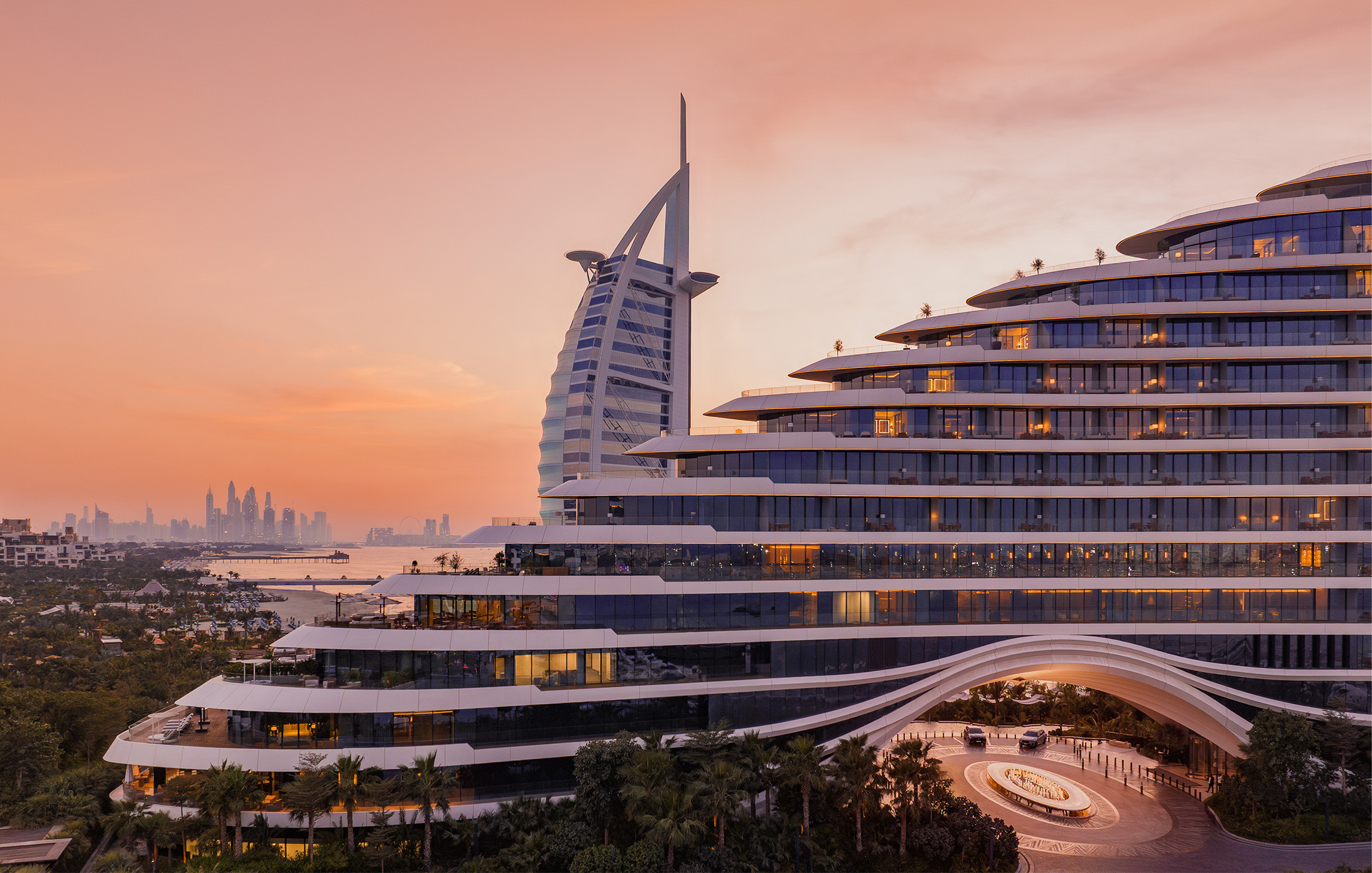
One of the first and most decisive was Burj Al Arab, a project that largely shaped the international image of Dubai. For me, a native of Cape Town, it was a serious transition – from small and medium-sized projects to large-scale and ambitious ones. This step largely determined my future career.
Over the years, I have been lucky enough to receive international recognition, including the ENR News Maker Award in New York and the Global Holcim Award in the field of sustainable construction.
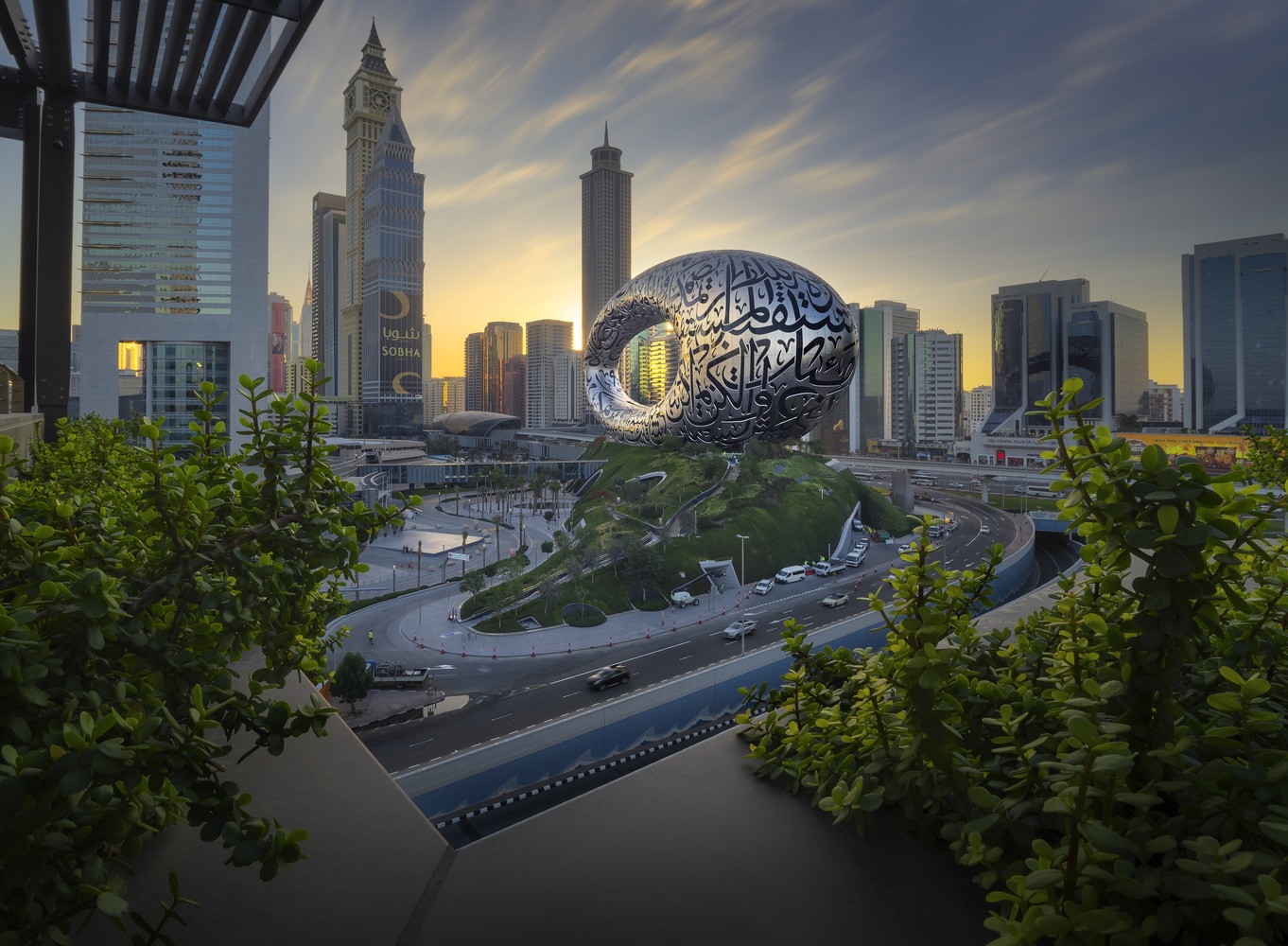
The founding of Killa Design in 2015 was an important milestone. Already at the initial stage of our activities, we won two major competitions – for the project of the Museum of the Future and for a resort with two towers in Jumeirah Beach Residence.
Your architecture often goes beyond the usual framework. Does this complicate work in more traditional markets, such as Europe?
Rather the opposite. Although we are known primarily for projects such as the Museum of the Future in Dubai, we are not tied to the same style. Context is important – landscape, culture and people for whom we create space. We work equally confidently with both restrained, minimalist architecture and more plastic, expressive forms.
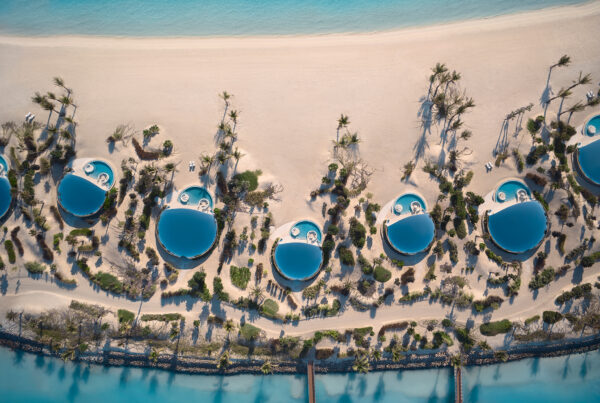
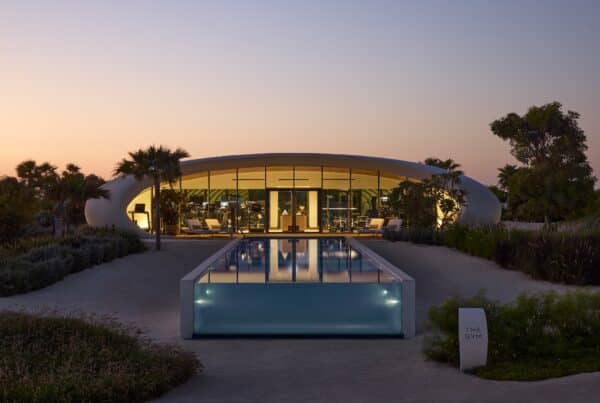
It is important for us not to impose visual language, but to react exactly to the place. Now we are conducting several resort and mixed-use projects – both in the Middle East region and beyond, where we apply a more calm, modern approach.
In Europe, we are also considering a number of opportunities and expect to strengthen our presence in the near future. Working in the European market does not require simplifying ideas – on the contrary, it is an opportunity to apply our principles of innovation, sustainable development and human-centered design in a new way. This is the most interesting task for us. We do not work according to the template: every project starts from scratch, and the key requirement is that the result is organic and exactly correspond to the place.
You have been working in international architecture for more than 30 years. How has your understanding of sustainable design changed during this time?
Sustainable development today is no longer an additional factor, but the basis of the design process itself. If earlier it was often perceived as a technical superstructure applied to an already finished project, now it is laid at the start and forms the whole architectural idea.
The main change is in the approach itself. It is no longer about simply reducing the negative impact, but about creating buildings that actively interact with the environment. We are talking about the design of regenerative spaces: they minimize the impact on nature and at the same time improve the quality of life, perception and connection of a person with the environment.
I believe that sustainable development should be considered as a holistic, integrated concept in which form, functionality and user experience are inseparable and work as a single system.
You were behind a number of landmark projects that shape the modern look of Dubai. How is the architecture of the city developing today? What awaits him in the future?
Dubai architecture is now entering a more mature and meaningful phase. There was a period when the city was formed at the expense of bright, iconic objects – I was lucky to be a part of this process: from early participation in the Burj Al Arab project to buildings such as Dubai Opera, Address Boulevard and Almas Tower. Each of them influenced the commercial and cultural appearance of the city in its own way.
Now we are seeing a clear shift. The focus is gradually moving away from individual “icons” to a more integral, human-oriented environment – spaces where it is comfortable to live, work and interact with each other. Projects are becoming multifunctional, pedestrian-friendly and better integrated into the landscape and climate.
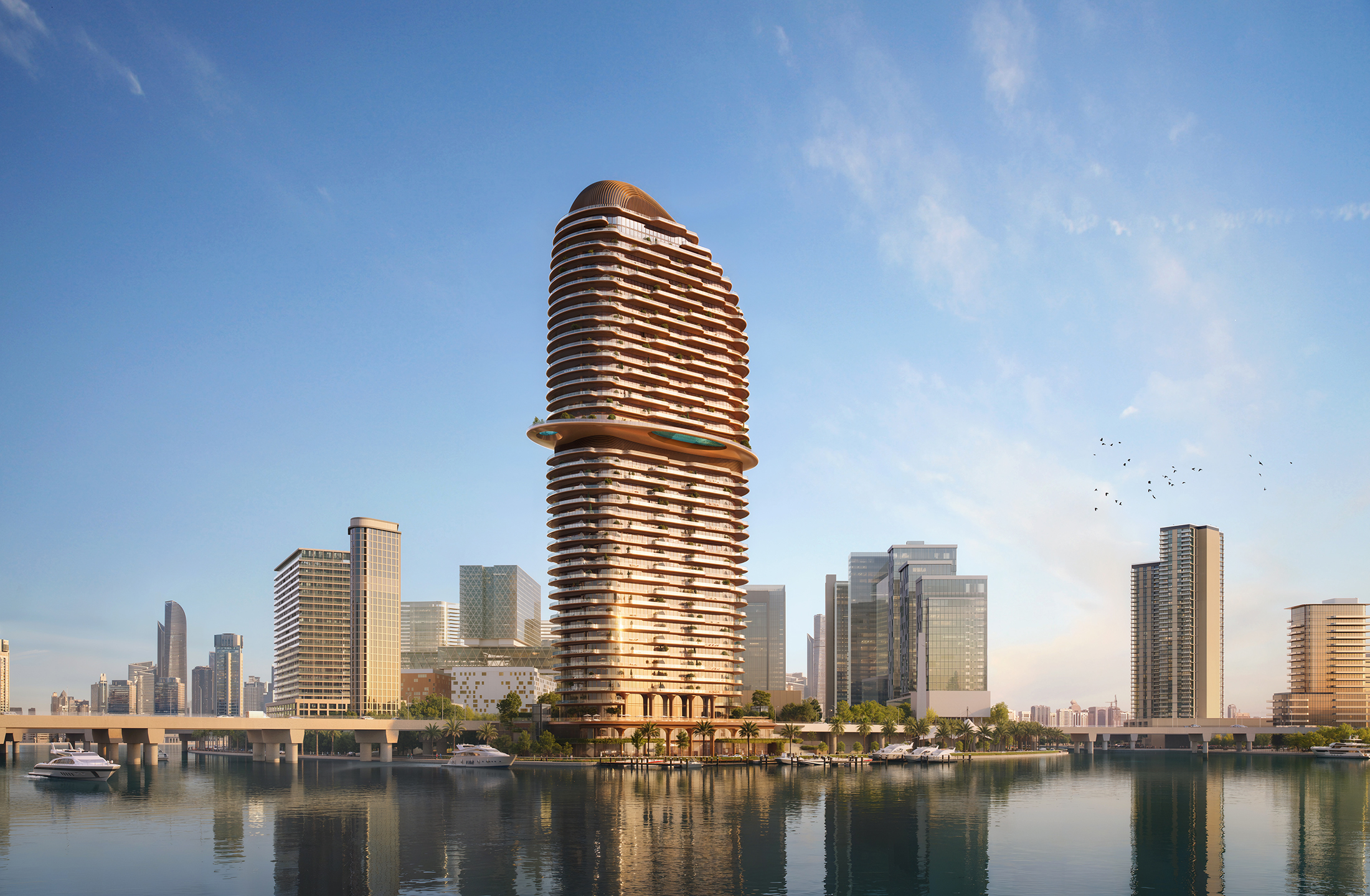
Sustainable development plays an important role in this new stage. For example, in the Museum of the Future project, it was laid down from the very beginning – from passive solar solutions and energy-efficient systems to the use of renewable energy sources. In Jumeirah Marsa Al Arab, the same approach is implemented through energy optimization and environmentally friendly integration into the environment, so that comfort and efficiency work together.
In the next five years, I believe, Dubai will continue to move towards architecture, which feels the place better, takes into account the climate and is more closely connected with nature. It’s not so much about creating individual symbols as about forming a sustainable, thoughtful environment that really improves the quality of life.
How much are developers willing to invest in low-carbon and environmentally friendly solutions today and why is it relevant in general?
There is a clear shift in thinking. Sustainable development is increasingly perceived not just as an environmental responsibility, but as an integral part of the long-term value of an asset. Developers are increasingly aware: buildings that function effectively are able to adapt over time and improve the quality of life, and as a result turn out to be more sustainable and economically viable.
The focus is gradually shifting from short-term solutions to creating projects that are designed for the long term and retain their value over time.
Why haven’t such decisions become widespread yet?
They can’t just be taken and scaled: not every platform allows you to implement this approach. In architecture, it is important not to copy technologies, but to select environmental solutions that really work in a specific context. In one case, it can be solar energy, in another – a well-thought-out shading system or passive cooling. There are optimal tools for each climate and environment.
You are actively engaged in mentoring young architects. What qualities are most important for a new generation of specialists?
Curiosity is the basis. It is important not to be afraid to ask questions, try new things and continue to learn throughout your career. But discipline is no less important: architecture is not only about creativity, but also about understanding how everything is arranged and works in reality. Strong ideas are always born from a good understanding of the context and how buildings live with time.
I also like that the new generation has a more aware attitude to responsibility – especially in matters of sustainable development and quality of life. It’s very inspiring.
Ultimately, it is important to understand not only what you are designing, but also why. When there is this understanding, the architecture turns out to be more meaningful, whole and alive.
What global trends will determine architecture in the next 10-15 years?
Cities in the future will no longer be determined by scale, but by quality – by the way people live, move and interact with each other. We are moving towards a more holistic and humane environment. The focus will be on three key areas: sustainable development, human well-being and adaptability. The architecture will become more flexible, sensitive to change and closely integrated with the natural landscape.
Have you considered the possibility of working on projects in Russia? What would be most interesting to you?
I am most attracted by the opportunity to work in a context with a strong cultural and natural component. Projects that involve a dialogue between heritage, climate and modern design always turn out to be the most meaningful. It is about creating an architecture that feels authentic and reflects the character and identity of the place.
If we talk about the future of cities, how do you see the ideal balance between building density, ecology and quality of life?
We are talking about finding balance through integration. Building density is important, but requires an attentive and thoughtful approach. Successful cities are those where density enhances dynamics and vitality without reducing the level of comfort. Where nature, public spaces and pedestrian accessibility are organically woven into everyday life. Ultimately, the quality of the city is determined not by the scale of its growth, but by how convenient and favorable it is for the people who live in it.