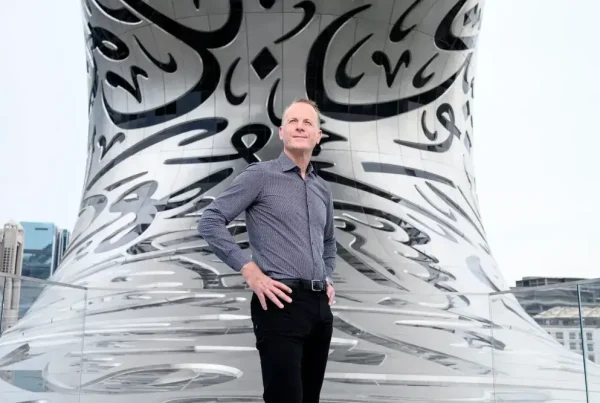
Few architects working today have shaped the visual identity of modern cities quite like Killa Design founder Shaun Killa. From Dubai’s instantly recognisable Museum of the Future to the Bahrain World Trade Centre, the world’s first large-scale integration of wind turbines into a building, Killa has spent nearly three decades pushing architecture beyond aesthetics and into cultural conversation.
But for Killa, architecture has never been about spectacle alone. His work sits at the intersection of sustainability, innovation and human experience, creating spaces that don’t just dominate skylines, but redefine how people interact with cities. Whether it’s a zero-energy luxury resort in Saudi Arabia or the world’s first occupied 3D-printed office building, every project carries the same ambition: to challenge convention while creating something deeply meaningful.
In conversation with GQ South Africa, Killa opens up about designing landmarks that changed global architecture, the pressure of building in Dubai’s hyper-competitive landscape, why sustainability became non-negotiable long before it was trendy, and the project that still feels the most personal to him.
GQ: You’ve spent nearly three decades shaping skylines. What still excites you about architecture today that did when you first started?
Shaun Killa: Architecture has the ability to uplift entire urban environments, to create identity, and to generate long-term value for communities. Buildings like the Museum of the Future go beyond their physical form; they become part of a city’s narrative, contributing to its cultural and economic evolution.
Whether it’s a cultural landmark, a hyper-luxury resort, or a branded residential development, architecture has the power to set new benchmarks, not just for design, but for how cities and countries position themselves on a global stage.
Ultimately, it’s about creating something that people connect with, something that leaves a lasting impression, both on the individual and on the city itself.
GQ: Your work often challenges traditional architectural norms. What’s a rule in architecture you’ve always felt was worth breaking?
SK: We’ve always challenged ourselves to push boundaries, not for the sake of difference, but to create something meaningful. Projects should elevate their surroundings, contribute to their communities, and offer something new.
For me, design is born from purpose. It begins with understanding the context, the culture, and the experience you’re trying to create.
If you stay true to that, each project naturally finds its own identity whether holding or challenging the rules.

GQ: Sustainability sits at the core of what you do. When did low-carbon design shift from being a consideration to something non-negotiable?
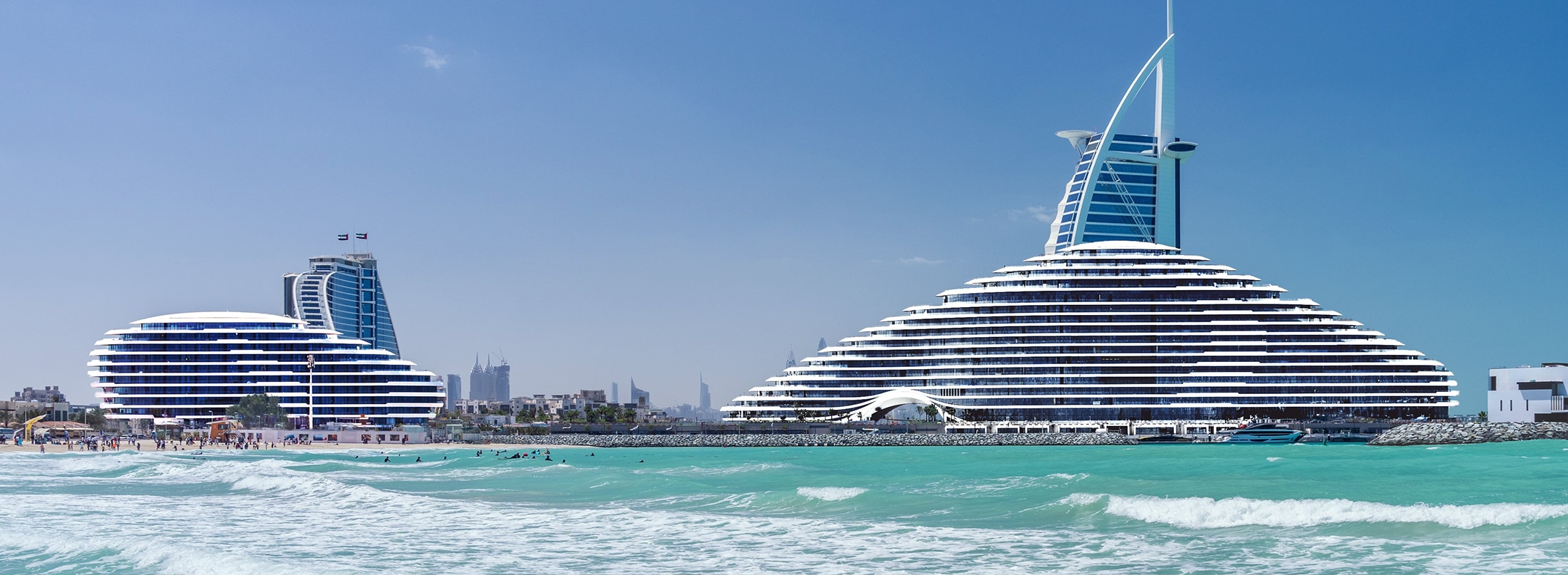
SK: Sustainability has always been at the core of my thinking, even from early projects like the Bahrain World Trade Centre.
What made that project important wasn’t just the integration of wind turbines, but the message it sent. In an oil-rich region, it became a catalyst for change, shifting the conversation towards reducing carbon footprint and embedding sustainability into design thinking.
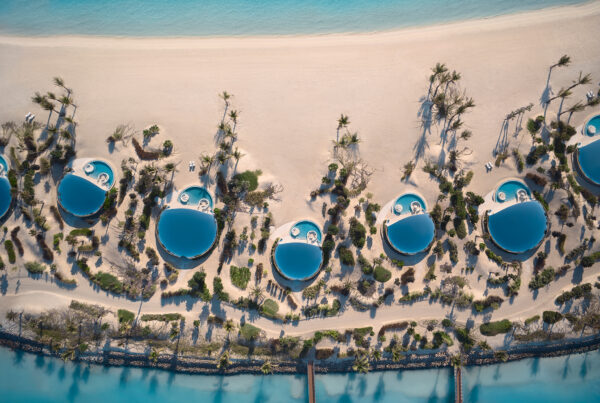
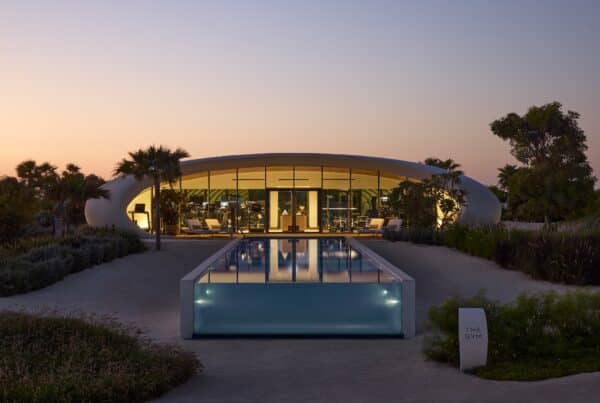
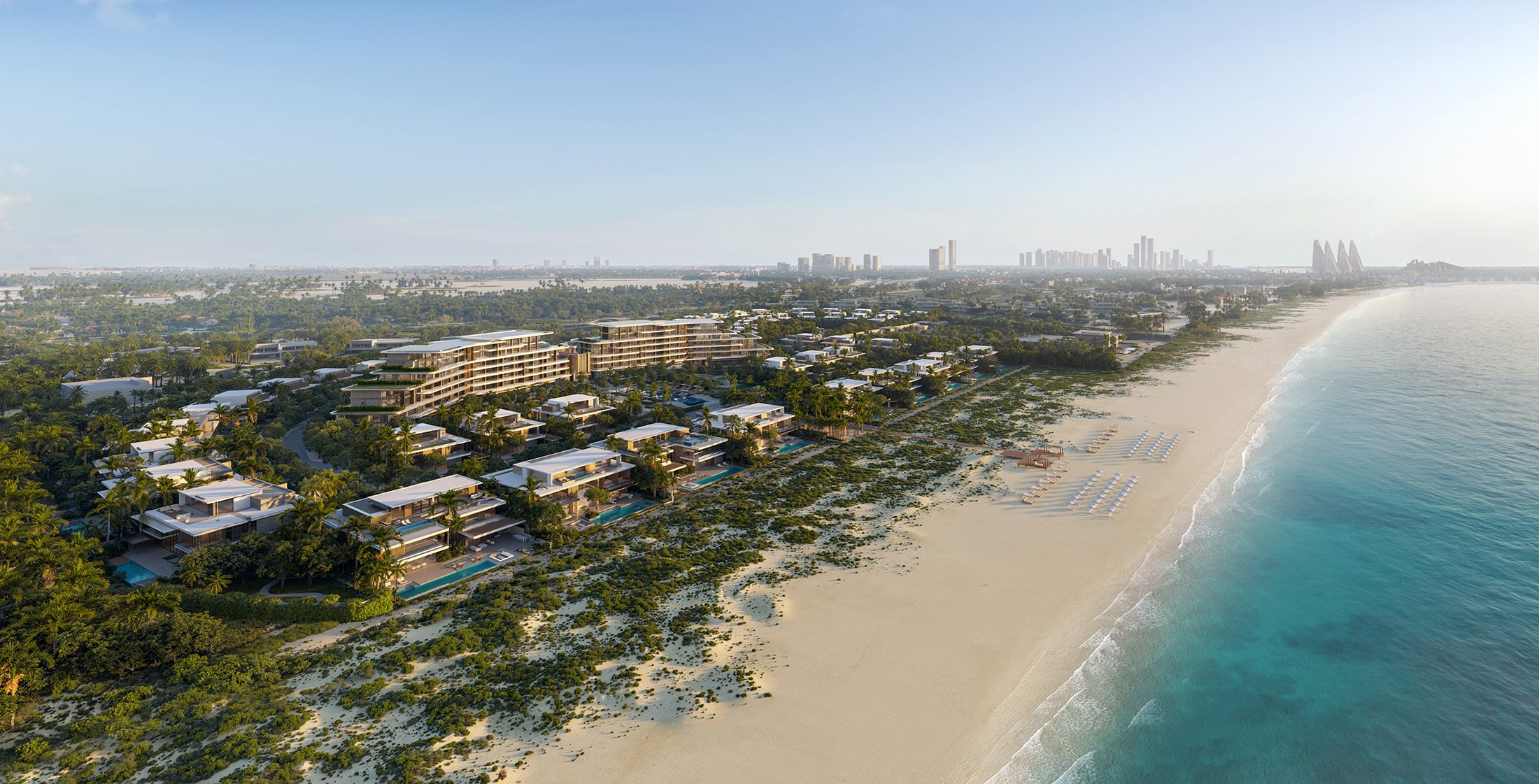
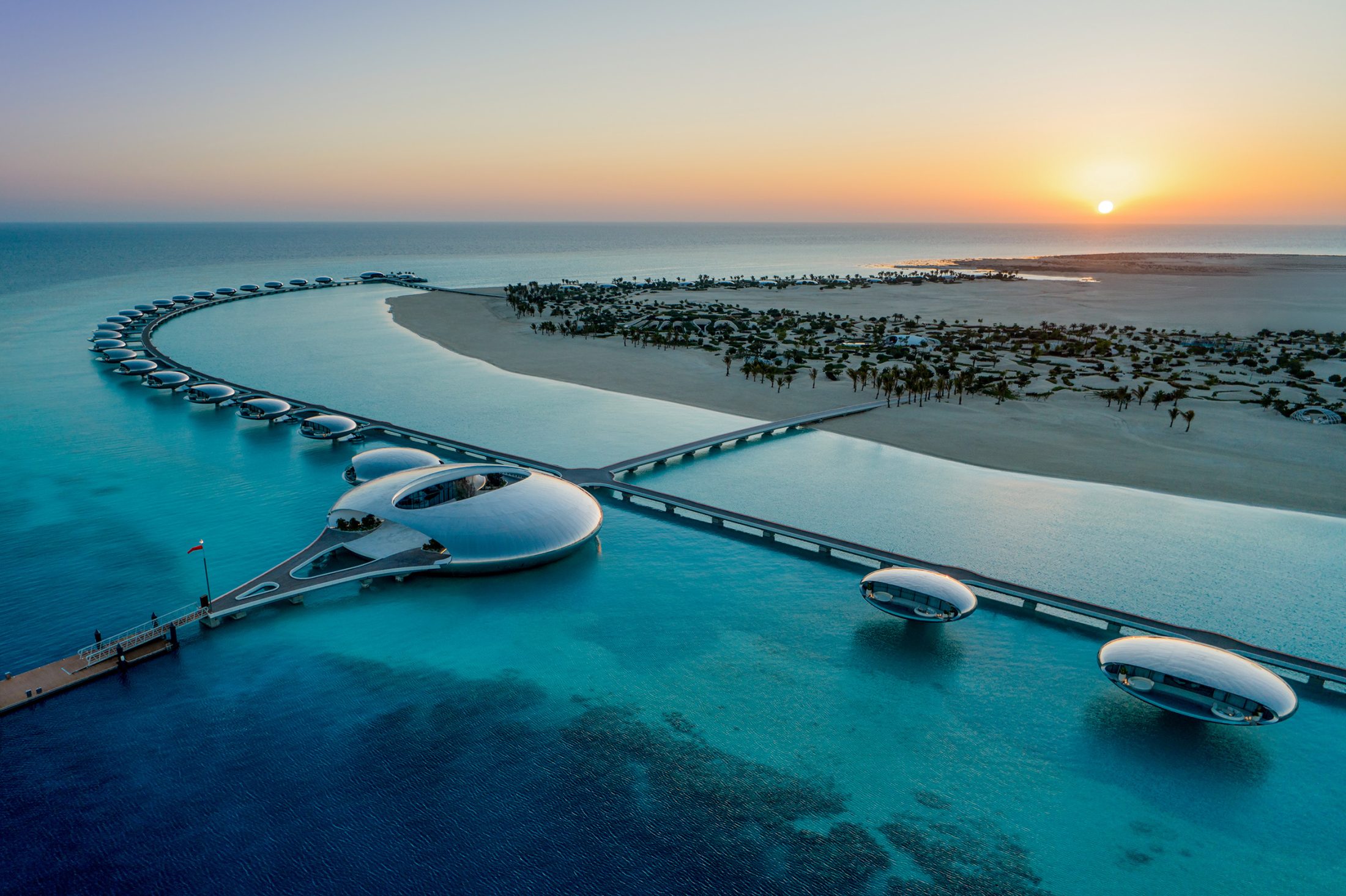
Today, that approach has evolved further. Every one of our projects incorporates passive and active systems as standard, and more recently, developments like Shebara Resort in KSA, takes that to another level, operating as a zero-energy, zero-water, zero-waste resort, setting new global benchmarks for sustainable eco-tourism.
For me, sustainability is not a layer, it’s fundamental. It’s about designing with empathy, for place, for people, and for the environment.
GQ: The Museum of the Future has become one of the most recognisable buildings in the world. What did you want people to feel the first time they saw it?
SK: Curiosity, intrigue, and a sense of possibility.
The Museum represents more than architecture, it reflects a vision. Conceptually, it’s made up of three elements: the landscape, representing the earth and our past; the form, representing human innovation; and the void, representing the unknown.
That void is central, it’s a space for discovery, for ideas that don’t yet exist. The building itself becomes a vessel for innovation, a place that brings together thinkers, creators, and future generations.
For me, it was about creating something that inspires people to think differently about the future and their role within it.
GQ: You founded Killa Design in 2015. What kind of culture were you intentional about building from day one?
SK: From the beginning, it was important to create an environment where people feel comfortable sharing ideas, challenging each other, exploring new thinking and having fun. It also had to be a place people genuinely enjoy being in, that’s when you get the best out of a team.
Architecture is a collaborative process, and the strength of the work comes from that exchange. But it’s not just about generating ideas, it’s about making sure they lead to something meaningful. For me, it’s about creating a studio where people enjoy what they’re doing but are also focused on producing work that has depth and relevance.
GQ: You’ve been ranked among the most powerful architects in the Middle East more than once. How do you stay grounded while operating at that level?
SK: Staying close to the design process is important, but equally, stepping away from it helps maintain perspective. For me, that often comes through sailing, being out at sea simplifies things and gives you a different kind of clarity.
GQ: There’s a strong focus on mentoring in your studio. What do younger architects today understand that your generation didn’t?
SK: There’s a greater sense of freedom today, particularly in how ideas are expressed and challenged.
Younger designers are more comfortable questioning ideas and contributing regardless of hierarchy, and that openness leads to stronger, more innovative outcomes.
At Killa Design, we encourage that exchange. It’s important that everyone feels they can contribute, because that’s what ultimately pushes the work forward.
GQ: Dubai has become a global playground for ambitious architecture. How has the city shaped the way you think and design?
SK: Dubai has given me the freedom to think at a much larger scale, but it’s also one of the most competitive environments in the world.
We’re constantly competing against leading global firms, which means the only way to succeed is to be more innovative, more expressive, and to create projects with deeper meaning and stronger narratives.
At the same time, Dubai’s rapid growth has created a unique opportunity to shape entire districts and contribute to the city’s evolving identity, where architecture plays a role not just in design, but in economic and cultural development.
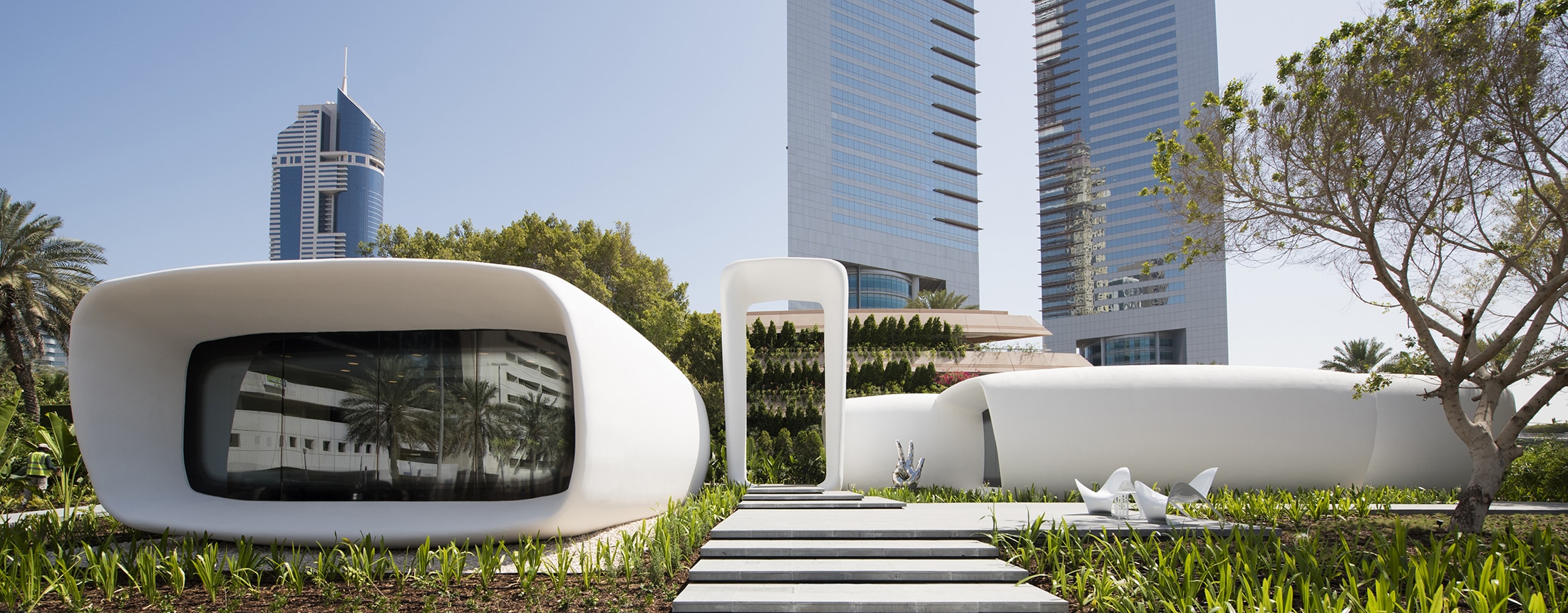
GQ: Projects like the Office of the Future feel like a glimpse into what’s next. What do you think architecture will look like in 20 years?
SK: We’ll see major advances in technology, automation, modularisation, and robotics transforming how we design and build.
At the same time, there will be a stronger focus on sustainability and ecological responsibility, reducing waste and improving efficiency.
But fundamentally, architecture will become more human-focused. Experience will come first, how people live, work, and interact with space, and that will ultimately define successful design.
GQ: Across your work, from luxury resorts to cultural landmarks, how do you balance commercial pressure with creative integrity?
SK: We take on projects that push design thinking further, even if they are more challenging commercially. In others, we refine the process to create more successful developments.
Architecture ultimately needs to be economically viable as well as meaningful. If you achieve both, you create something that not only performs well commercially but also contributes positively to the city and its people.
GQ: When you look at your body of work so far, is there one project that feels the most personal to you, and why?
SK: The Museum of the Future is probably the most personal.
It was the first project we won as Killa Design, and in many ways, it defined the direction and ambition of the studio from the outset. Beyond that it represents something much larger, a connection between past, present and future thinking, and a platform for innovation at a national and global level.
What makes it truly meaningful is the journey from concept to reality. Seeing something so complex and ambitious come to life is incredibly rewarding but the most important moment is when it opens and people begin to experience it. That’s when the building moves beyond architecture and becomes something more, a place that inspires, engages and evolves through the people who inhabit it.