My journey into architecture began in childhood. I was always drawn to both mathematics and art, and my stepfather, an architect with his own practice specialising in residential developments, exposed me to the field early on. At around 12 or 13, I started spending weekends at his office, where I became immersed in the design process, drafting plans, elevations, and sections.
As I became more involved, I started building models for some of his developments and hospitality projects. There was something incredibly rewarding about translating a design into a physical model, and the fact that I was being paid for it only reinforced my passion. By my later years in high school, I was certain that architecture was my calling, despite my stepfather’s attempts to persuade me otherwise. I researched universities and ultimately pursued my degree in architecture, determined to push the boundaries of design.
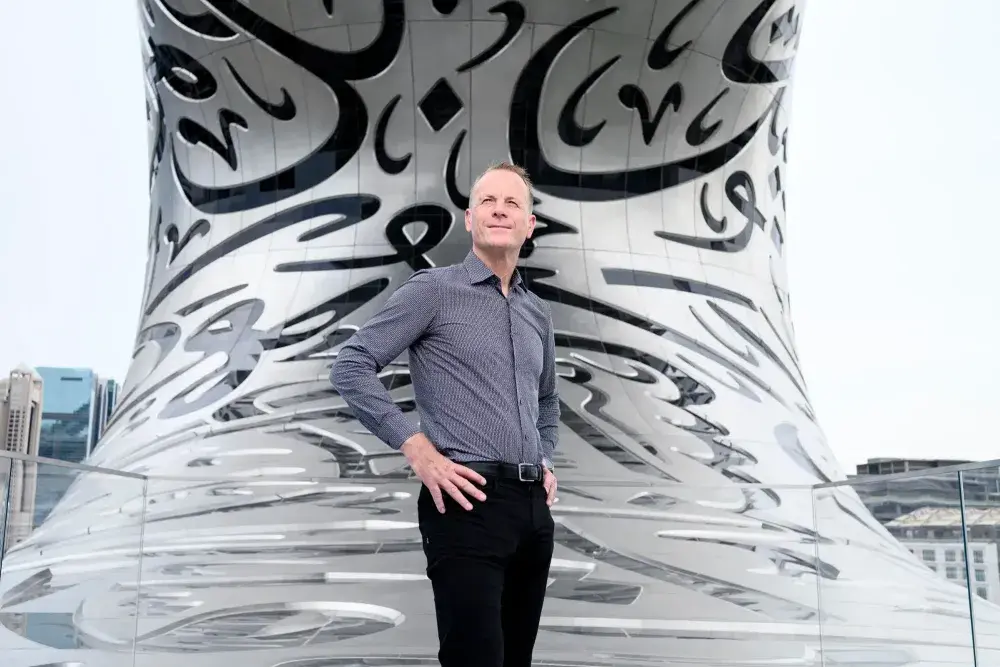
I arrived in Dubai in 1998 from South Africa, joining Atkins as an architect. Over 16 years, I grew into the role of Regional and then Global Director of Architecture, leading the studio and working on some of the city’s most iconic projects. One of the earliest and most transformative experiences was contributing to the Burj Al Arab, a landmark that reshaped Dubai’s identity. For someone from Cape Town, transitioning from small to medium-scale projects to working on groundbreaking, high-profile developments was a major leap that shaped my career.
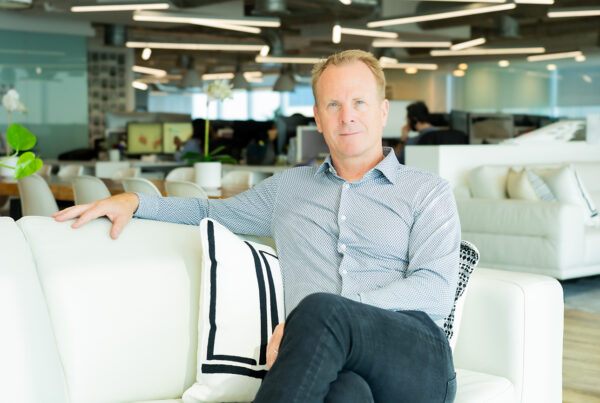
In conversation with GQ South Africa, Killa opens up about designing landmarks that changed global architecture, the pressure of building in Dubai’s hyper-competitive landscape, why sustainability became non-negotiable long before it was trendy, and the project that still feels the most personal to him.
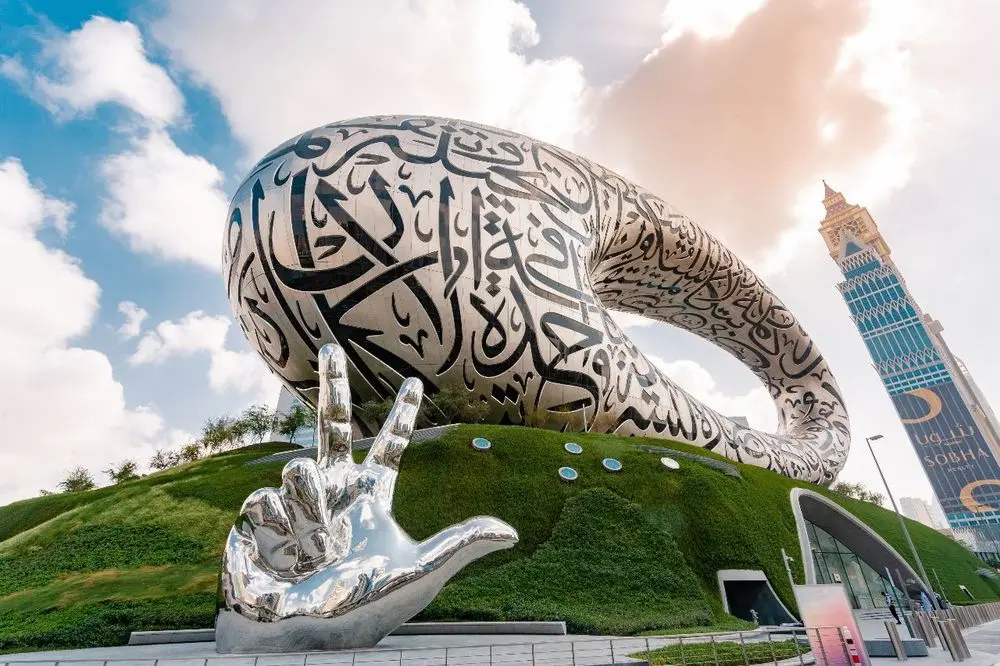
Founding Killa Design in 2015 was a defining moment in my career. Within weeks, we won two major competitions, the Museum of the Future and the Address Beach Resort, propelling us from a one-person firm to a thriving studio of 30 architects in just a few months.
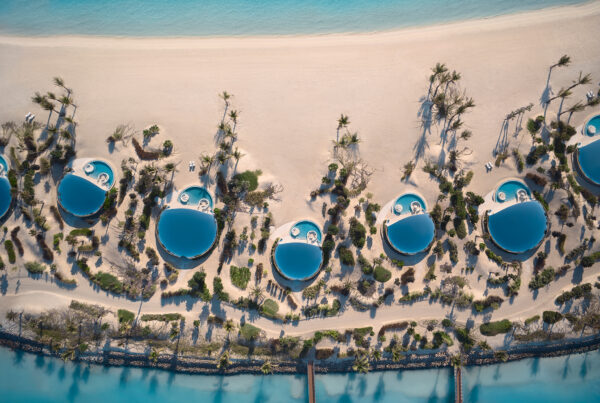
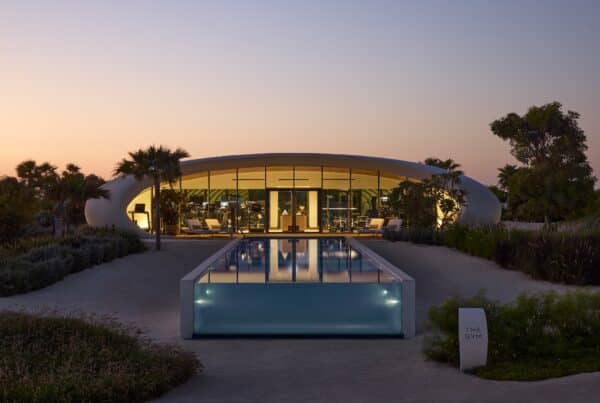
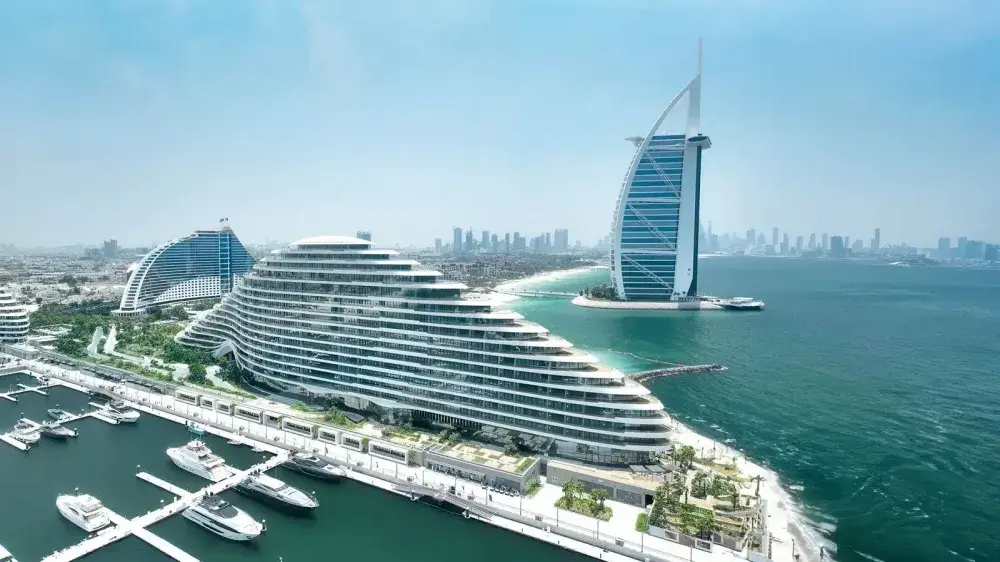
Since then, we’ve continued to expand, designing landmark projects such as The Museum of the Future, Shebara Resort in Saudi Arabia, a hyper-luxury eco-retreat operating entirely off-grid with zero emissions, water, and waste, exemplify our commitment to groundbreaking design and environmental responsibility. Jumeirah Marsa Al Arab, which opened on the 14th of March, 2025, redefines luxury hospitality and the Address Beach Resort, with the world’s highest occupied sky bridge and infinity pool.
While Killa Design’s roots are in Dubai, our reach extends across the globe, with projects in the Maldives, Angola, the United States, Iceland, Saudi Arabia, South America, and beyond. Whether it’s pioneering cultural landmarks, transformative masterplans, or hyper-luxury resorts, our goal remains the same, to create architecture that not only inspires but also reshapes how we interact with our environment.
My philosophy has always been to create architecture that is emotionally powerful, deeply contextual and purposeful. I don’t believe in imposing a singular style onto every project. Each building should emerge from its place, its culture, its climate and the experience it is meant to create.

Inspiration always begins with place, understanding the landscape, the light, the culture and the emotional character of a site. But it also comes from experience. Sailing, in particular, has always been a strong influence for me. Being out on the water, you become very aware of balance, movement and your relationship with natural forces. That sense of fluidity and responsiveness often finds its way into how I approach design.
Beyond that, inspiration comes from nature, travel, and even moments of stillness. Often it’s the space between what we understand and what we imagine that sparks the most powerful ideas.
At Killa Design, we are passionate about architecture that moves people, architecture that feels effortless, yet is underpinned by rigorous thinking. Sometimes that results in fluid, expressive forms; at other times it leads to something more restrained and sculptural. The common thread is always meaning.
I would also say that sustainability must become second nature. It should not be treated as a specialism, but as a fundamental part of good design. At the same time, never lose sight of the human side of architecture. Buildings are ultimately about people, how they live, move, connect and feel.
If you stay committed to excellence, continue learning, and are prepared to work through challenges, this region offers the chance to be part of projects that can genuinely shape the future.
I’ve never believed in having a singular architectural style that gets applied to every project. For me, each building should emerge from its place, its culture, its climate, and the experience it’s meant to create. What remains consistent is the way I think about design. I’m always trying to create architecture that is emotionally powerful, deeply contextual, and purposeful. It’s not just about how something looks, it’s about what it means, how it feels, and how it enhances the lives of the people who experience it. Ultimately, I want the work to feel timeless and to stand the test of time.
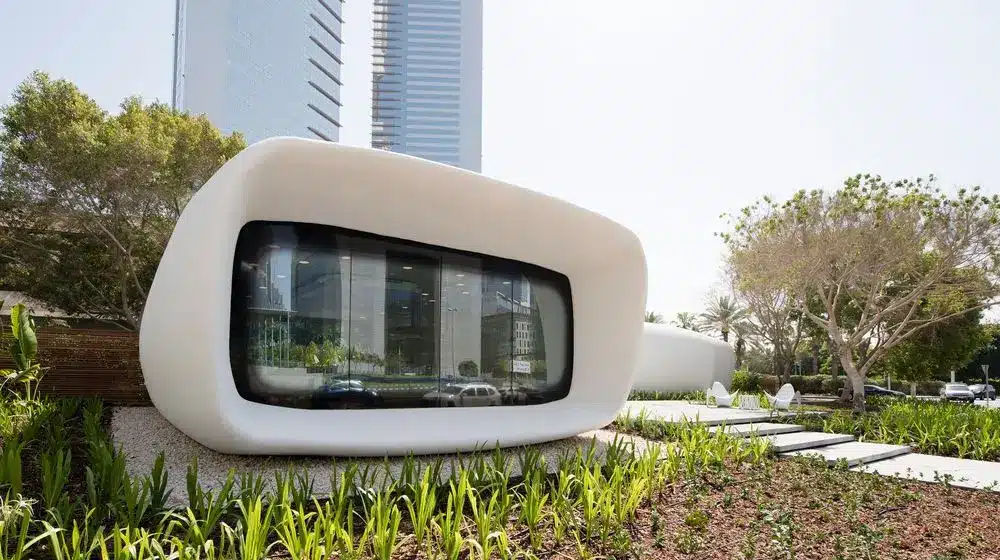
What probably differentiates my work is the balance between expression and rigour. I’m interested in pushing boundaries, both aesthetically and technically, but that ambition always has to be grounded in performance, sustainability, and human experience. Some projects become more fluid and expressive, others more restrained, but they are always driven by the same intent. The goal is to create architecture that feels effortless, even when there is a high level of complexity behind it. For me, it’s about finding that balance between innovation and responsibility, and creating buildings that connect people to place while contributing something meaningful to the built environment.
One of the biggest challenges is balancing creative ambition with the realities of delivery, particularly as projects become more complex, more global, and more demanding in every sense. As a studio grows, another challenge is protecting the integrity of the design vision while also creating a culture that allows others to contribute, evolve and lead.
I would like Killa Design to continue pushing the conversation forward, not only in terms of form and innovation, but in terms of responsibility, experience and legacy. We want to help shape an architecture for the UAE that is bold yet human, globally relevant yet rooted in place.
The next chapter of architecture here should be defined by regeneration, cultural meaning and exceptional quality of life. I see Killa Design contributing to that through projects that challenge convention, advance sustainable thinking, and create places people genuinely connect with.